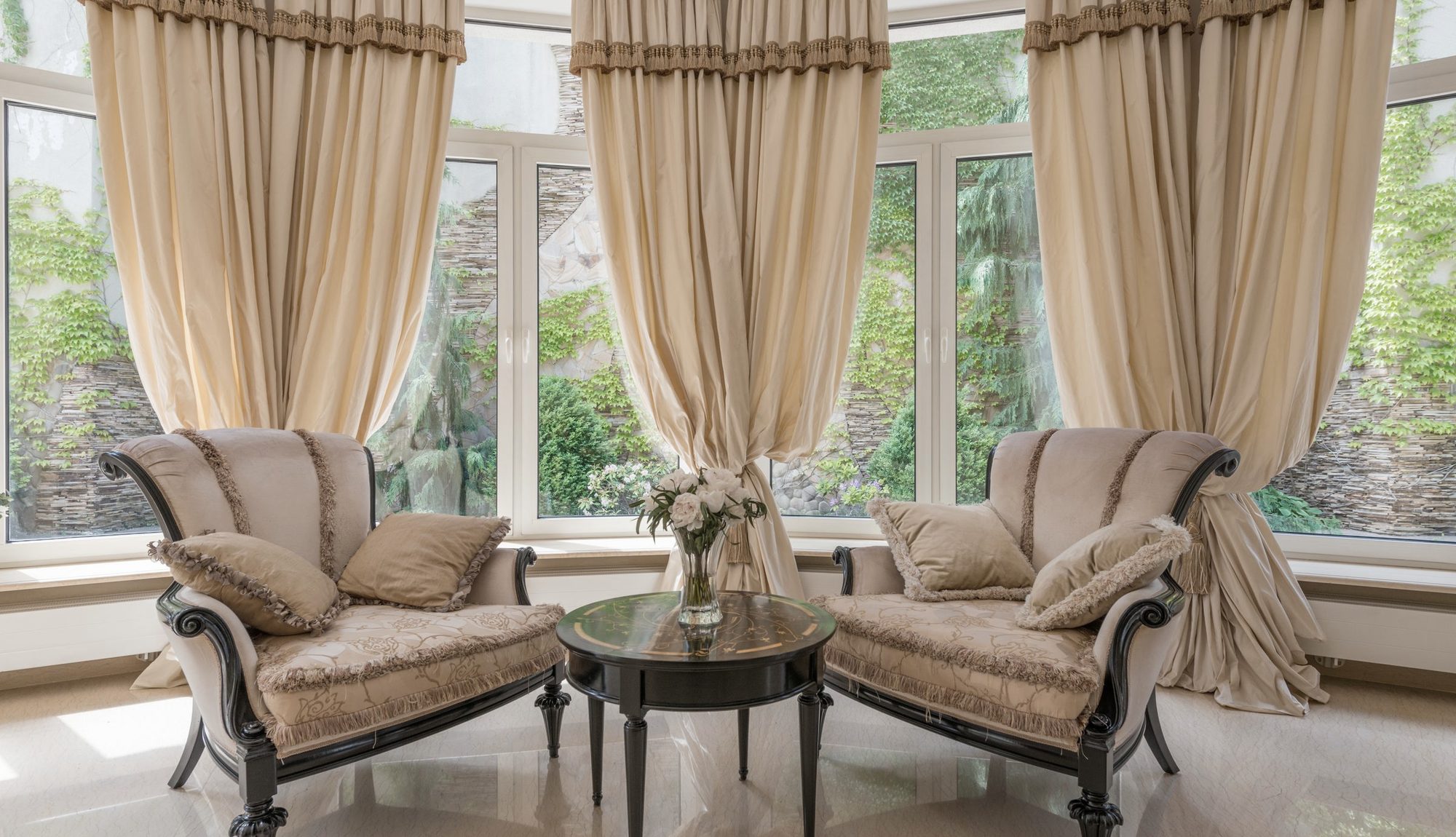
A scent for each room: entrance, living, dining and bedroom
The same fragrance rarely suits every room in a house. A practical guide to what each space is doing, and what that means for what you put in it.
A room can feel welcoming without feeling overpowering, and the difference is rarely about which fragrance was chosen. It is about matching the scent to what the room is actually for.
Most people select home fragrance the way they select perfume — by what they like in the bottle. It is a reasonable instinct and an incomplete one, because a room is not a wrist. A space has a volume, an airflow, and above all a duration: how long people stay in it.
That last variable does most of the work.
The principle: exposure time sets intensity
The longer someone is in a room, the less scent that room needs.
Your sense of smell adapts to what is constant. In a space you pass through in four seconds, there is no time to adapt, so the impression has to arrive quickly. In a room you sit in for four hours, you will adapt within minutes — but anyone arriving later will not, and a level that has become invisible to you can be a great deal for them.
So the rule runs opposite to instinct: most present at the entrance, lightest where you linger.
The entrance
What it is doing: forming an impression in a few seconds, and setting the tone for everything after.
This is the room that can carry the most. People move through quickly, the space is often smaller than it feels, and the scent is doing a specific job — signalling that the house is cared for before anyone has looked at anything.
What to consider: something with a clear opening character that registers immediately. Entrances also tend to have difficult airflow — a front door opening, a stairwell pulling air upward — so placement matters more here than anywhere else. A diffuser positioned right beside the door frequently loses most of its work to the outside.
The common mistake: treating the entrance as a corridor and under-scenting it, then over-compensating in the living room where people actually sit.
The living room
What it is doing: holding people, often for hours, usually in the evening.
This is the room where adaptation matters most and where over-scenting is most frequent. The person who set the level has been in the room all evening. The guest arriving at eight has not.
What to consider: something warmer and rounder tends to suit evening occupancy — the family of notes people reach for here is typically woody or soft-spiced rather than sharp. Volume is the technical issue: living rooms are often the largest space in a home, frequently double-height or open to a stairwell, and a product sized for the floor area will disappoint.
The common mistake: increasing intensity because the scent "wore off", when in fact the occupant adapted. If guests comment on the scent, it is probably already stronger than you think.
The dining room
What it is doing: hosting food.
Here the honest advice is restraint, and sometimes abstention.
Fragrance and food occupy the same sensory channel, and a large part of what we experience as taste is smell. A strong ambient scent competes directly with what is on the table — and in that competition the food should win.
What to consider: either scent the dining room very lightly, or scent the adjacent space and let it carry. Where a dining area is open to a living room, treating the living space and leaving the table alone often produces a better result than trying to manage both.
The common mistake: a strong diffuser on the dining table or sideboard. It is the most visible surface, so it attracts the object — and it is the worst place for it.
The bedroom
What it is doing: being occupied, unconsciously, for seven or eight hours.
This is the room that needs the least and most often gets more than it should. A scent that is pleasant on entering can become a great deal over a night, and you have no opportunity to adjust it while asleep.
What to consider: light, clean and low. Softer material — something quiet rather than something interesting. Intensity well below whatever you use elsewhere.
The common mistake: choosing the bedroom scent by how it smells when you walk in at nine in the evening, rather than how it will be at three in the morning.
One fragrance or several?
Usually one, at different intensities.
Homes are not sequences of sealed rooms. Air moves between them, and doorways are where different fragrances meet. Two well-chosen scents colliding in a hallway rarely reads as sophistication; it reads as a house that cannot decide.
A single fragrance run at different strengths — present at the entrance, moderate in the living room, minimal in the bedroom — tends to feel deliberate. If you do want variation, vary it between floors or between wings rather than between adjacent rooms.
Where this gets specific
All of the above is a starting framework. What it cannot tell you is what your particular rooms will do.
Two living rooms of the same floor area with different ceiling heights need different equipment. A room with a ceiling fan running constantly is a different problem from a still one. A north-facing room in Bengaluru in August and a coastal room in Goa in the same month have different air in them. And a household with someone sensitive to fragrance has a different upper limit regardless of the maths.
When we assess for scenting, we are establishing volume, airflow, occupancy pattern and adjacency — how the rooms connect and what moves between them — before recommending equipment or settings. The fragrance itself is usually the last decision rather than the first, which is the reverse of how most people approach it.
If you would like to work through it, the useful things to tell us are which rooms, roughly their size and ceiling height, how they are ventilated, when they are used, and what you would like someone to notice when they arrive.
Common questions
Should every room have a different fragrance?
Not necessarily, and often it is better if they do not. Different fragrances meeting at doorways can read as confusion rather than variety. A single fragrance at different intensities usually produces a more coherent home.
What scent is best for a bedroom?
Something light, and less of it than you think. The bedroom is the room you occupy longest and least actively, so a scent that seems pleasant on entering can become oppressive over a night. Soft, clean and low is the safer direction.
Can I scent a kitchen?
Cautiously. Kitchens already carry strong and changing smells, and adding fragrance usually produces a muddle rather than an improvement. Ventilation and cleaning do more for a kitchen than scenting does.
Where should a diffuser go in a room?
Somewhere with gentle air movement but not in a direct draught, and not tucked into a dead corner. Near a circulation path works well; directly under an air conditioner or beside an open window usually wastes it.
WHERE THIS GETS SPECIFIC
Every recommendation
follows an assessment.
Tell us the object, the material and finish if you know them, and how the space is used. That is enough to begin.
Tell us about your spaceKEEP READING