What a surface assessment actually involves
Before anyone recommends a product for your table, four things need establishing. Here is what we look at, why each one matters, and what happens when the honest answer is to do nothing.
What happens after installation matters too — but so does what happens before it.
Most surface-care problems we see are not failures of product. They are failures of matching: something suitable applied to something it was not suitable for, or a recommendation made from a photograph and a category name rather than from the actual piece.
An assessment exists to prevent that. It is not a formality before a sale, and it is not a sales visit with a clipboard. It is the step that determines whether we recommend anything at all.
What is a surface assessment?
A structured examination of a specific surface to establish what it is made of, what has already been applied to it, how it has been finished, and how it is actually used — before any recommendation is made.
Four things, in that order. Each one changes the answer.
Material: what are we actually dealing with?
"Marble" is not a specification. Nor is "stone", "wood" or "granite".
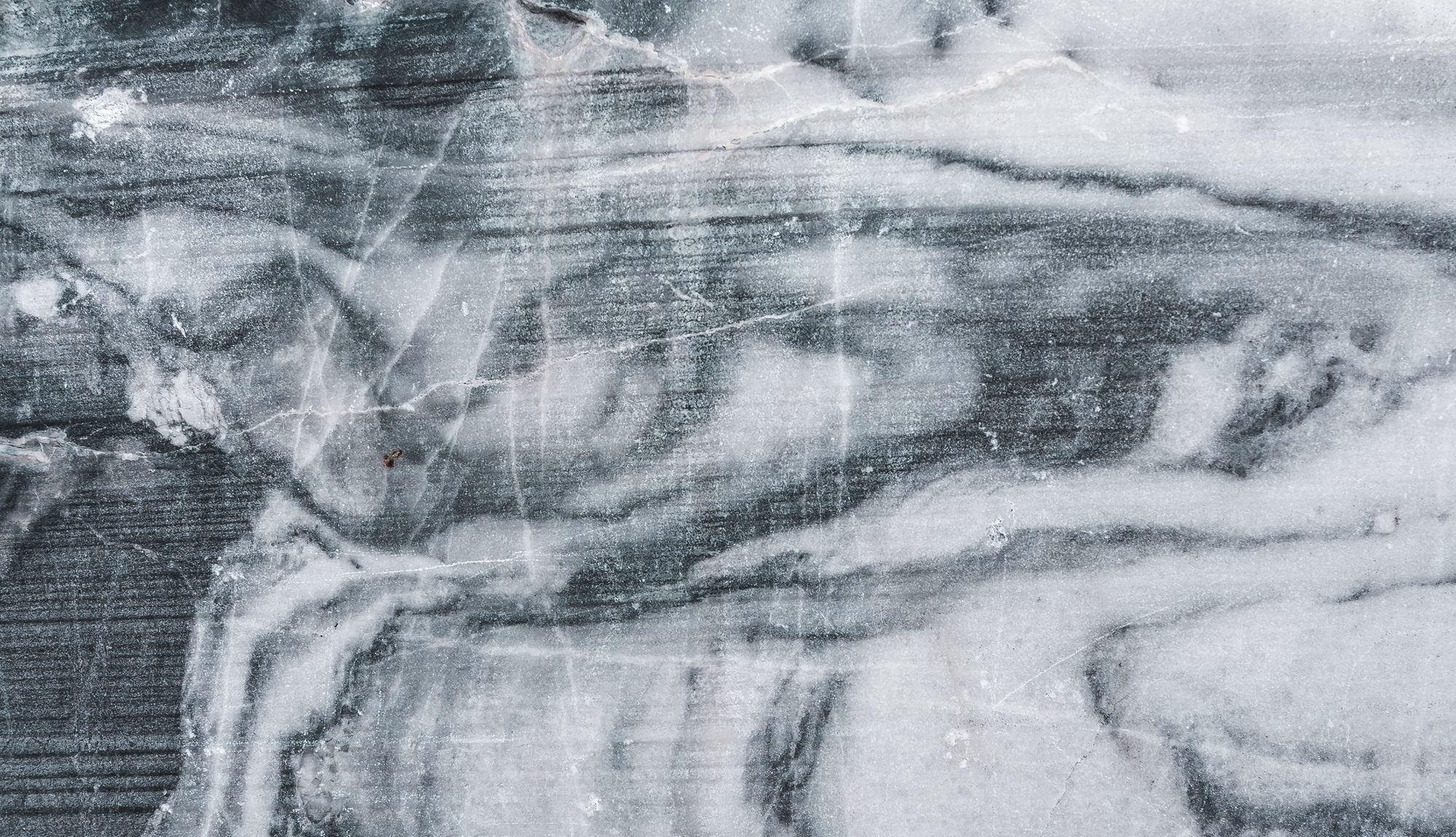
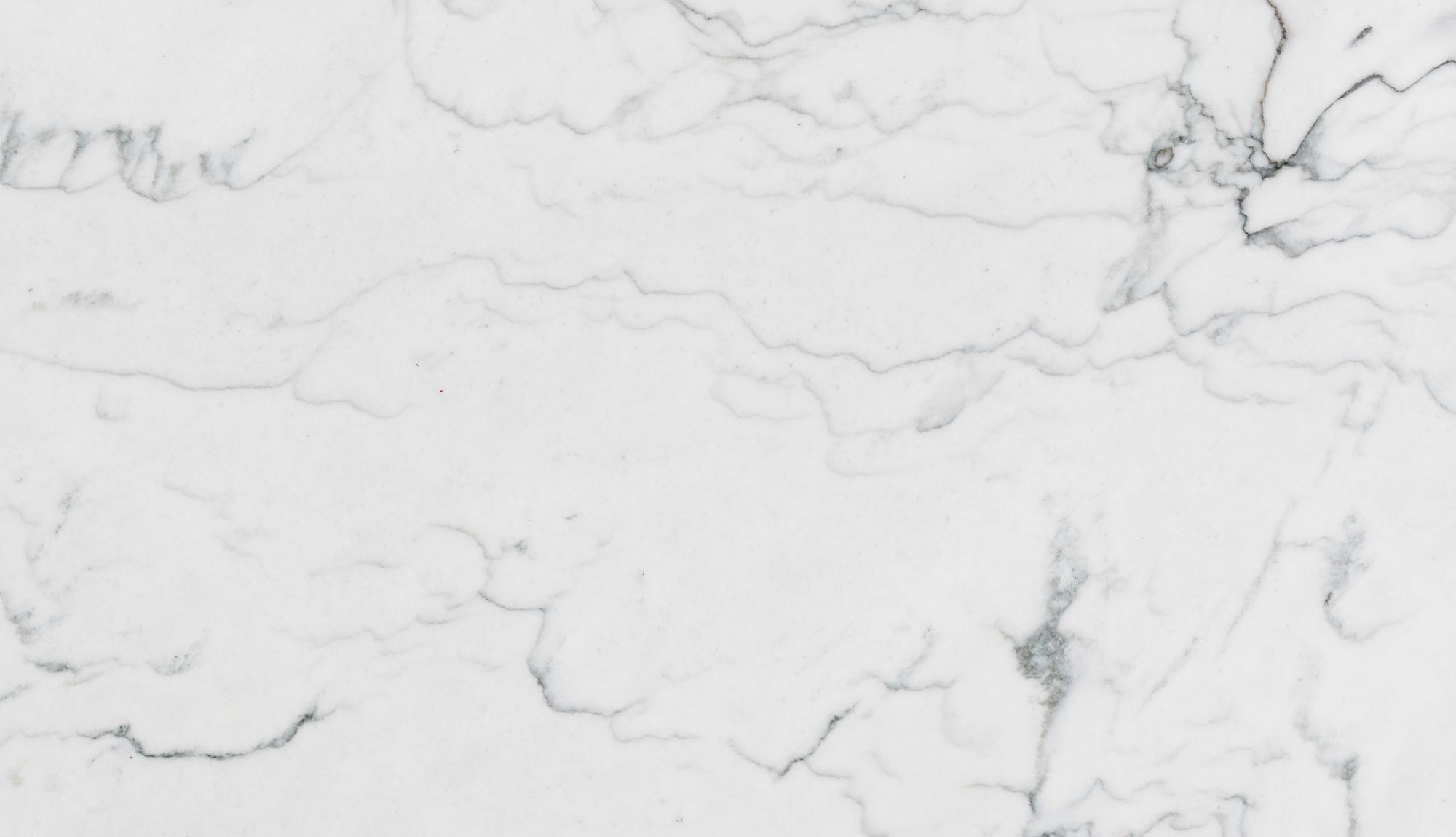
Marble, quartzite, granite and engineered stone differ in hardness, porosity and — critically — in how they respond to acid. Within marble, individual stones vary enormously. The same is true of timber: oiled oak, lacquered walnut and veneer over board behave like three different materials, because in practical terms they are.
Where documentation exists, we start there. Where it does not, the surface itself is informative — how it takes light, how it responds at an edge, the character of the veining or grain.
This matters because a product that is entirely appropriate for one material can be the wrong call on another that looks similar across a room.
Sealant: what is already on this surface?
This is the step most often skipped, and it causes the most trouble.
A surface may have been sealed at the quarry, at the fabricator, at installation, by a previous cleaning contractor, or by a well-meaning member of the household with something bought online. It may have been sealed three times with three different products. It may never have been sealed at all.
Applying something new over an unknown existing treatment is a guess. Sometimes the guess is harmless. Sometimes it produces clouding, patchiness or adhesion problems that are considerably harder to undo than they were to cause.
So we establish what is there and how it is performing — including a simple absorption test, which tells us in ten minutes whether the surface is still resisting liquid or has begun drinking it.
Finish: how was this surface completed?
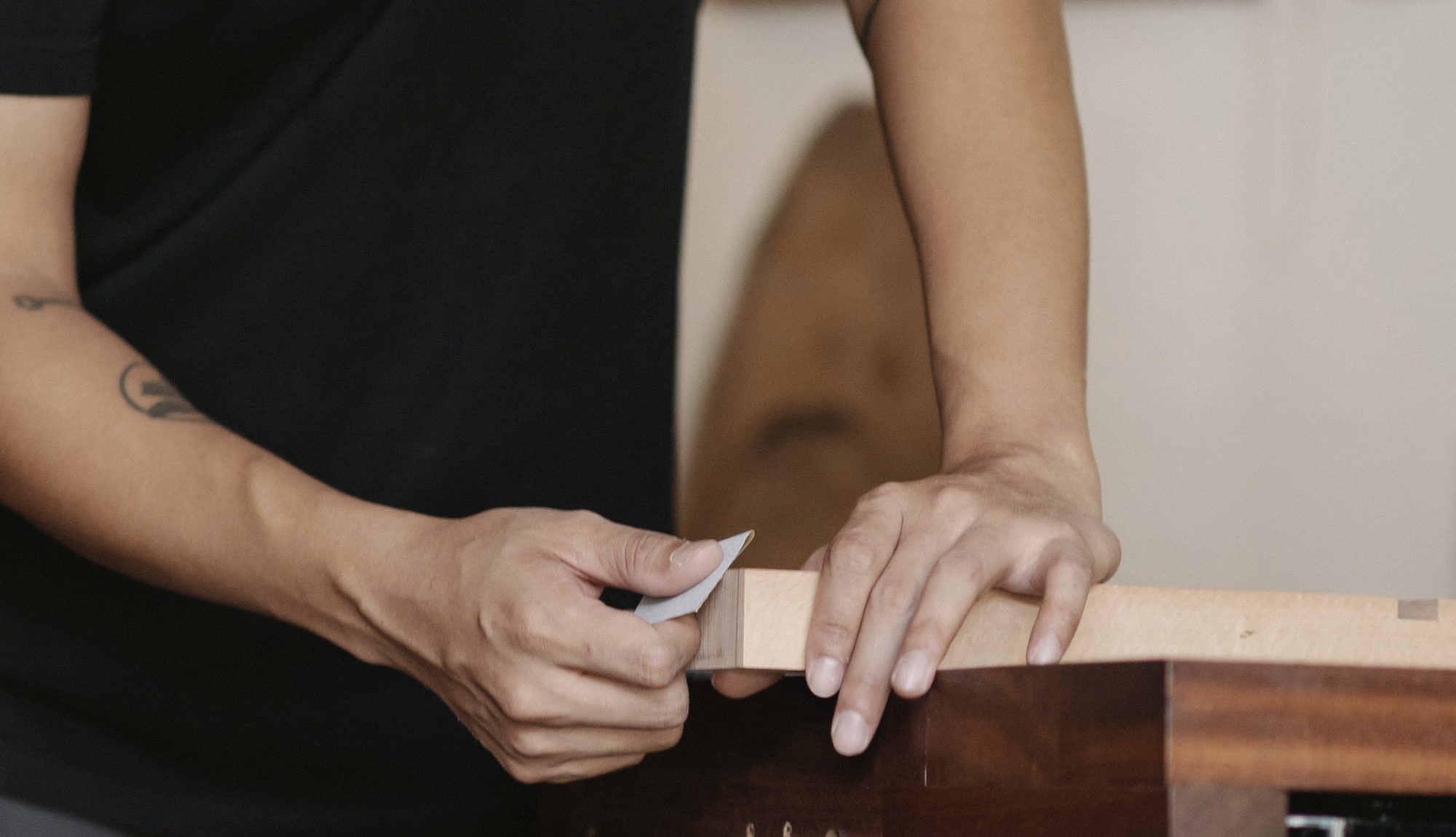
Honed and polished versions of the same slab are different propositions. Matte and gloss lacquers on the same timber behave differently under cleaning. A leathered or brushed finish has texture that changes what will sit on it evenly.
Finish governs two things that matter: how a treatment will look once applied, and how everyday wear will show. A film that disappears on one finish can read as a visible layer on another, and that is not a defect — it is a mismatch that should have been caught beforehand.
Use: what actually happens on this surface?
The question is not what the room is called. It is what happens there.
A dining table where a family eats every evening — with children, citrus, hot pans arriving from the kitchen, homework, and a laptop — is a different surface from a table of identical material used formally twice a month. A vanity that holds perfume and nail-polish remover has a chemical exposure profile that a guest bathroom does not. A console in an entrance takes keys, bags and the occasional wet umbrella.
We ask about the ordinary weekday rather than the dinner party, because the weekday is what the surface actually lives through.
What comes out of it
A recommendation, with its limits stated.
That means: what we suggest, what it will and will not do, what it will look like, what it will require afterwards, and what it costs. If a protective film is appropriate, we say why, and we say what it does not address — no film makes a surface immune to heat, impact or every chemical, and anyone saying otherwise is overselling.
And sometimes the recommendation is to apply nothing.
This happens more often than people expect. A surface may be performing well and simply need a change of cleaning product. A stone may be better served by resealing than by anything added on top. A piece may be in a condition where intervention risks making it worse. Saying so is part of the job — an assessment that can only ever end in a sale is not an assessment.
Why it gets written down
Whatever is found and agreed goes into a Space Care Record.
The reason is practical. Three years from now, someone will need to know what stone this is, what was applied to it, when, and what the aftercare was. That person may be you, may be a cleaning contractor, may be a new owner, and may be us. If the information lives only in memory, the next decision gets made on a guess — which is how the original problem usually started.
It also gives the next review something to work from. Surfaces change. A record makes it possible to see how.
Before you book anything
You do not need to know your material to begin. The useful things to tell us are the object, the room, roughly how it is used, and anything you know about its history — where it came from, whether anything has been applied, and what prompted you to get in touch.
If there is a mark you are concerned about, a photograph taken in raking light from a window, at a low angle across the surface, tells us more than a description usually can.
Common questions
How long does an assessment take?
It depends on how many surfaces are involved and how much is already known about them. A single dining table is a short visit. A whole apartment after a handover, with several materials and finishes, takes considerably longer because each surface is a separate question.
Will you always recommend a protective film?
No. Film is one option among several, and it is not suitable for every material, finish or edge profile. On some surfaces the recommendation is aftercare guidance and a cleaning change rather than a product.
What if I do not know what my stone is?
That is common and it is fine. Part of the assessment is establishing what we are dealing with. If there is purchase documentation it helps, but the surface itself tells us a good deal.
What is a Space Care Record?
A written record of what was assessed, what was found, what was agreed and what the aftercare involves. It exists so that the information does not live only in someone's memory, and so the next review starts from facts rather than guesses.
WHERE THIS GETS SPECIFIC
Every recommendation
follows an assessment.
Tell us the object, the material and finish if you know them, and how the space is used. That is enough to begin.
Tell us about your spaceKEEP READING